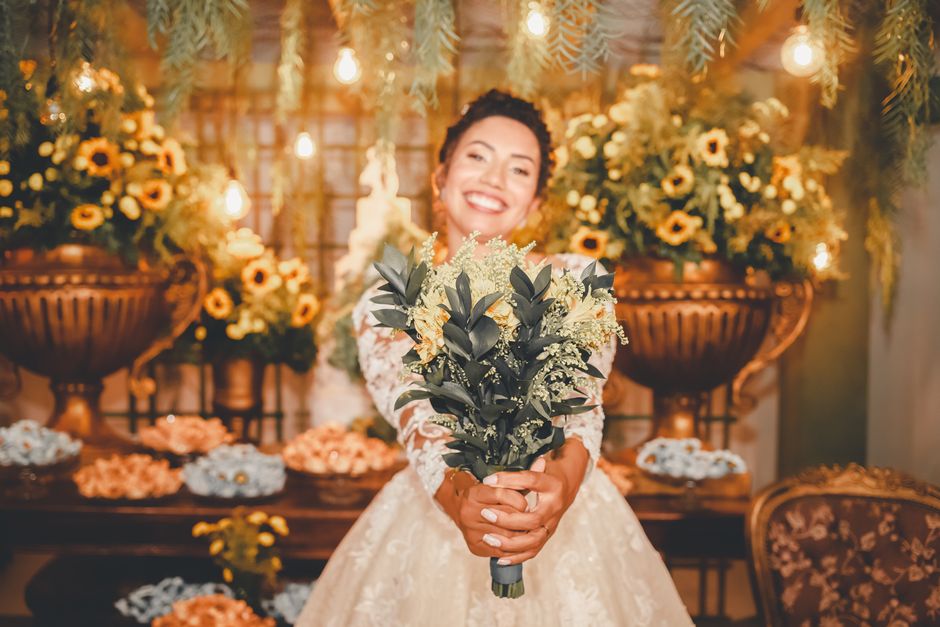
Purley wedding flowers suppliers and venue floral tips
Posted on 17/10/2026
Planning wedding flowers in Purley can feel wonderfully exciting one minute and oddly complicated the next. You want the bouquets to look effortless, the ceremony flowers to suit the venue, and the reception styling to feel polished rather than overdone. That is where Purley wedding flowers suppliers and venue floral tips make a real difference. With the right florist, a clear brief, and a few smart venue-aware decisions, you can create floral styling that looks beautiful in photos, works in the room, and actually makes your day easier.
This guide walks through how wedding flowers are typically planned, what to ask suppliers, how to match blooms to Purley venues, and which practical details often get overlooked. If you are comparing options, trying to keep control of the budget, or simply wondering where to start, you will find the useful stuff here. Not the fluffy stuff. The useful stuff.
There is a lot to think about, to be fair. But once you break it into steps, it becomes much more manageable.
Table of Contents
- Why Purley wedding flowers suppliers and venue floral tips Matters
- How Purley wedding flowers suppliers and venue floral tips Works
- Key Benefits and Practical Advantages
- Who This Is For and When It Makes Sense
- Step-by-Step Guidance
- Expert Tips for Better Results
- Common Mistakes to Avoid
- Tools, Resources and Recommendations
- Law, Compliance, Standards, or Best Practice
- Options, Methods, or Comparison Table
- Case Study or Real-World Example
- Practical Checklist
- Conclusion
- Frequently Asked Questions
Why Purley wedding flowers suppliers and venue floral tips Matters
Wedding flowers do more than decorate a room. They shape the first impression when guests arrive, frame the ceremony photographs, soften the feel of a venue, and help pull your colour palette together. In a place like Purley, where couples might choose everything from intimate local spaces to larger function rooms, the right floral plan has to do two jobs at once: look lovely and suit the setting.
That second part is where many couples get caught out. A bouquet that looks stunning in a showroom can feel too large in a small aisle. Tall table arrangements can block sightlines at dinner. Delicate blooms may struggle in a warm room or on a sunny windowsill in the middle of the afternoon. You do not want to discover that on the wedding morning, obviously.
Good venue floral planning saves money, time, and stress. It also helps suppliers give more accurate advice. When a florist knows the layout, lighting, timing, and guest flow, they can recommend flowers that will last well and designs that make sense in the space. That kind of planning is what turns a "nice flowers" wedding into a cohesive one.
Expert summary: the smartest wedding flower choices are not just about colour or flower type. They are about scale, venue conditions, timing, delivery logistics, and how guests will actually move through the space.
How Purley wedding flowers suppliers and venue floral tips Works
In practical terms, working with a wedding florist usually starts with your date, venue, guest count, and budget range. From there, the supplier translates your ideas into a floral plan that fits the ceremony and reception. For Purley weddings, that often means thinking about both the wedding style and the venue's physical layout. A village hall, hotel room, church, marquee, or restaurant each asks for something slightly different.
The process normally follows a simple rhythm:
- You share your wedding theme, colours, and must-have flowers.
- The florist reviews the venue details and timings.
- Design suggestions are shaped around the budget and season.
- The final plan covers bouquets, buttonholes, ceremony pieces, table flowers, and any extras.
- Delivery, setup, and collection are agreed in advance.
That setup step matters more than people think. A florist can design beautiful pieces, but if the venue access is awkward or the turnaround between events is tight, the best design in the world can become a logistical headache. We have all seen that one corner where suppliers are trying to get a pedestal arrangement through a narrow doorway. Not ideal.
For couples who want a simpler route, some florists offer coordinated wedding collections. In many cases, that means the bouquet, bridesmaid flowers, buttonholes, and table arrangements are designed to work together without you having to micromanage every stem. If you want to explore wedding-focused options, the wedding flowers range is a useful place to start, especially when you are trying to understand what is already available and what can be tailored.
Key Benefits and Practical Advantages
There are several clear reasons to work with a supplier who understands both wedding flowers and venue planning.
- Better visual balance: the flowers suit the room instead of overpowering it.
- Fewer last-minute problems: a clear plan reduces delivery surprises and setup delays.
- More efficient spending: you can put the budget where it will be seen most.
- Cleaner coordination: bouquets, ceremony pieces, and table styling feel connected.
- Improved flower longevity: the florist can suggest varieties that handle the day well.
There is also a subtle benefit that often gets missed: flowers influence how calm you feel on the morning. A well-run delivery, a bouquet that feels right in your hands, and tables that are set before the guests arrive all make the day feel smoother. It sounds small. It really isn't.
For couples comparing budget levels, it can help to think in tiers. Simpler designs can still look elegant, especially when the venue already has strong character. If you need a more restrained floral package, you can browse ideas through budget-friendly flower options and see how understated designs still deliver a polished finish. On the other hand, if you want a fuller, more luxurious feel, a curated collection such as luxury flowers can help you picture a more elevated style.
Who This Is For and When It Makes Sense
This topic matters if you are any of the following:
- a couple planning a wedding in Purley or nearby South London
- a bride or groom trying to compare florist options without overcommitting too early
- a wedding planner helping a client choose practical floral designs
- a venue coordinator wanting smoother setup and fewer access issues
- a family member helping with styling decisions and keeping an eye on budget
It makes sense to think about your wedding flowers early if your venue has fixed decor, limited setup time, or awkward access points. It also makes sense if your wedding date falls during a busy floral season, when specific blooms may be in stronger demand. Truth be told, the earlier you start, the more choice you keep.
This is especially useful for couples who want a mix of ceremony flowers and table styling but do not want every item to feel matchy-matchy. That slightly relaxed, well-considered look is often the sweet spot. Not too formal. Not too sparse. Just right for the room.
Step-by-Step Guidance
1. Start with the venue, not the vase
Before you get attached to a colour palette, think about the room itself. Is it bright or dim? Large or intimate? Neutral or decorated? Does the venue already have floral features, candles, or statement architecture? A florist can work with all of that, but only if they know what they are working around.
2. Decide what needs flowers most
Not every wedding needs flowers everywhere. Focus on the high-impact areas first: bridal bouquet, buttonholes, ceremony focal point, and top tables or guest tables. If the budget allows, add staircase dressing, welcome arrangements, or registrar table flowers. If not, keep it simple and do it well.
3. Choose blooms for the season and setting
Seasonal flowers usually offer better value and a more natural feel. Spring weddings tend to suit softer, lighter shapes, while late summer and autumn can take bolder tones and fuller textures. But season alone is not enough. A warm venue may need hardier stems, and a windy outdoor setting needs sturdier mechanics. Small details, big difference.
4. Confirm the practical logistics
Ask how delivery works, who places the arrangements, how long setup takes, and when the flowers are collected if needed. If your ceremony and reception are in different locations, build in extra time. Sounds obvious, yet it is one of the most common pressure points on the day.
5. Approve the final plan in writing
You do not need pages of jargon. You do need a clear list of items, quantities, colours, and any special instructions. A simple written summary avoids "I thought we were doing..." moments, which nobody wants on a wedding week.
If you are still narrowing the style, a good florist can often point you towards matching accessories too. For example, coordinating buttonholes, bridesmaid flowers, and table pieces can bring the whole look together. The wedding-specific ranges for buttonholes, bridal bouquets, and bridesmaid bouquets can be helpful when you are visualising the full set.
Expert Tips for Better Results
The best venue florals are usually the ones that look intentional, not busy. Here are the tips that consistently help.
- Match scale to space. A modest room can look crowded very quickly. In a larger venue, tiny arrangements can disappear.
- Use the bouquet as your design anchor. Everything else can echo it without copying it exactly.
- Think about sightlines. Guests should be able to see each other across the table, especially at dinner.
- Ask what flowers hold up best indoors or outdoors. Heat, cold, and movement all matter.
- Allow for photographs. Florals often need to look good from the front, side, and overhead angle. Sneaky, that.
One small but useful trick: if you are not sure about a bold colour palette, choose one main tone and one supporting tone, then let greenery or white space calm the arrangement down. That approach often feels more expensive than using too many colours. Less noise, more elegance.
Another practical tip is to bring your florist into the venue conversation early. A room with low ceilings, strong wall colour, or a lot of patterned decor might need softer arrangements. A venue with plain walls may benefit from a more dramatic ceremony feature. The flowers should work with the room, not fight it.
Common Mistakes to Avoid
Even well-organised couples can trip over the same few issues. The good news is that they are all avoidable.
- Booking flowers before confirming venue details: always get the room layout first.
- Ignoring the weather: a hot day can shorten vase life and affect delicate blooms.
- Over-ordering small items: too many little arrangements can be less effective than a few well-placed focal pieces.
- Choosing flowers only from photos: images can be misleading in scale and colour.
- Forgetting access and timing: loading bays, stairs, lifts, and ceremony turnaround all matter.
One more mistake that sounds minor but is not: failing to decide who takes flowers home afterwards. Some couples want bouquets preserved, some want table arrangements repurposed, and some simply want everything cleared without fuss. Agree it early. Saves a bit of post-wedding confusion when everyone is tired and someone's uncle has already started folding chair covers.
Tools, Resources and Recommendations
You do not need specialist software to plan wedding flowers, but a few basic tools make the process much easier:
- Venue floor plan: even a rough copy helps the florist understand scale.
- Reference images: save examples of bouquets, table arrangements, and ceremony flowers you genuinely like.
- Colour swatches: useful if you are coordinating bridesmaid dresses, linen, or stationery.
- Guest table list: helps estimate how many arrangements are needed.
- Delivery timeline: keeps suppliers, venue staff, and the wedding party on the same page.
If you want a supplier that can cover flowers for different wedding moments, it helps to look at wedding collections rather than one-off items alone. A coordinated range such as weddings can be a useful starting point, while the dedicated table arrangements page is especially handy if your reception styling is the part you are least sure about. For ceremony-and-reception consistency, a collection like True Happiness wedding collection or The Perfect Match wedding collection can help narrow the choices without making things feel rigid.
It can also be useful to compare bouquet styles. Some couples prefer a rounded, classic shape; others like a looser garden style; some want a cascading design with a bit of drama. If you are considering bridal options, looking at SI bridal bouquet and Pure Romance bridal bouquet can help you see how different styles create different moods.
Law, Compliance, Standards, or Best Practice
Wedding floristry is not usually a heavily regulated purchase in the way that some professional services are, but there are still sensible standards to keep in mind. The main one is clear communication. A reputable florist should be able to explain what is included, what is optional, and what happens if timings change or a flower becomes unavailable.
In the UK, it is also normal for suppliers to set out payment terms, cancellation terms, and delivery expectations in writing. That is not red tape for the sake of it. It protects both sides and reduces last-minute surprises. If your venue has rules about setup times, open flames, hanging installations, or access routes, those should be followed carefully as well. Some venues are strict, and honestly, for good reason.
Best practice also includes:
- using fresh flowers handled and stored appropriately before the event
- confirming substitutions only where needed and keeping the style consistent
- ensuring arrangements are stable and safe in busy guest areas
- checking that any hired stands, vases, or containers are returned or collected as agreed
If your wedding includes religious or culturally specific elements, it is wise to discuss those respectfully and early. Buttonholes, colours, and tribute-style arrangements can all be adapted with care. That kind of attention matters.
Options, Methods, or Comparison Table
When you are deciding how to spend the floral budget, it helps to compare the main approaches side by side.
| Approach | Best for | Pros | Watch-outs |
|---|---|---|---|
| Bridal bouquet only | Very small weddings or tight budgets | Simple, elegant, easy to manage | Reception may feel less styled |
| Bouquet + buttonholes + ceremony flowers | Most traditional weddings | Strong visual impact where it matters most | Needs careful timing and coordination |
| Full venue styling | Large or design-led weddings | Most cohesive look across the whole day | Higher cost and more setup complexity |
| Collection-based package | Couples who want a guided option | Easy to choose, usually well matched | Less flexible if you want highly bespoke details |
There is no single best method. The right one depends on the venue, the number of guests, and how important flowers are to the overall atmosphere. Some couples care most about the bouquet and ceremony backdrop; others want every table to feel dressed properly. Neither is wrong. It just changes the plan.
Case Study or Real-World Example
Imagine a couple planning a late-spring wedding in Purley with a civil ceremony followed by dinner in the same venue. They want something elegant, but not too formal. The room has pale walls, fairly soft daylight, and tables that seat ten each. Nice room. Slightly tricky lighting, though.
Instead of scattering flowers everywhere, they choose a focused plan: a bridal bouquet, matching bridesmaid bouquets, buttonholes for close family, a ceremony arrangement at the registrar table, and low floral centrepieces for each reception table. They keep the palette soft with whites and blush tones, then add a little greenery for texture. Simple enough.
The result is calm and cohesive. Guests can talk across the tables. The ceremony photos feel polished. And because the florist knew the venue layout in advance, the flowers were delivered and set up without interrupting guest arrival. Nothing dramatic. Which, on a wedding morning, is exactly what you want.
If that sort of planning feels appealing, the most helpful next step is usually to browse a few specific wedding styles and see which one matches your venue best. A collection such as Everlasting Love wedding collection or Love Devotion wedding collection can give you a practical sense of tone, scale, and finish before you commit.
Practical Checklist
Use this before you confirm your florist and final order.
- Do we have the venue floor plan or room layout?
- Have we decided what the flowers must cover first?
- Is the colour palette clear, or just "some kind of pastel"? Be honest.
- Do we know whether the venue is hot, cool, bright, or shaded?
- Have we chosen seasonal flowers where possible?
- Are delivery, setup, and collection times written down?
- Do we know who carries the flowers after the ceremony?
- Have we checked table height and guest sightlines?
- Are there any venue rules about candles, access, or installations?
- Have we agreed substitutions if a bloom is unavailable?
- Do the bridal bouquet and bridesmaid flowers feel connected visually?
- Have we kept one part of the budget for any last-minute adjustments?
Quick version: venue, timing, scale, budget, and backup plan. If those five are clear, you are in a much stronger place than most couples realise.
Conclusion
Getting wedding flowers right in Purley is less about buying the prettiest blooms and more about making the flowers work for your venue, your guests, and your day. The best suppliers will help you think through the room, the season, the practicalities, and the look you want to create. Once those pieces line up, the whole thing becomes much easier.
Whether you are planning something small and intimate or a fuller reception with layered styling, the smartest approach is the same: start with the venue, choose a florist who asks sensible questions, and keep the floral plan grounded in real-world logistics. That is what gives the day a calm, finished feel.
Get a free quote today and see how much you can save.
And if you are still undecided, that is completely normal. Weddings have a way of making even simple choices feel big. Take it one step at a time, and the flowers will fall into place beautifully.
Frequently Asked Questions
How far in advance should I book wedding flowers in Purley?
It is wise to book as early as you can, especially if your wedding falls in a popular season or you want specific flowers. Early booking gives the florist more time to plan around the venue and source the right stems.
What should I tell a florist before asking for a quote?
Share your wedding date, venue name, guest count, colour preferences, budget range, and which items you need, such as bouquets, buttonholes, or table flowers. The more practical detail you give, the more accurate the advice tends to be.
Do I need different flowers for the ceremony and reception?
Not always. Many couples reuse ceremony flowers in the reception space to stretch the budget. A good florist can suggest arrangements that move well from one part of the day to another.
Are seasonal flowers really better for weddings?
Often, yes. Seasonal flowers can offer better value, fresher appearance, and a more natural look. They are not the only option, but they are usually a sensible starting point.
How can I make flowers suit my venue better?
Focus on scale, lighting, and sightlines. A florist who knows the room can recommend arrangements that complement the venue rather than crowd it. It sounds basic, but it changes everything.
What if my venue has strict setup times?
Tell the florist as soon as possible. Tight access windows are manageable, but they need planning. In some cases, simpler arrangements are better than complicated ones when the schedule is compressed.
Can I have a small wedding and still have beautiful flowers?
Absolutely. A small wedding can look very refined with a thoughtful bouquet, a few coordinated stems, and one or two well-placed arrangements. You do not need a grand ballroom to make flowers feel special.
How do I keep wedding flowers within budget?
Choose the highest-impact areas first, use seasonal blooms, and avoid over-ordering low-visibility pieces. Sometimes one strong ceremony arrangement does more than many tiny extras.
What happens if a flower is unavailable?
A professional florist should suggest a close alternative that keeps the style intact. This is one reason written confirmation matters; substitutions should be handled clearly and calmly, not at the last second.
Do buttonholes and bridesmaid bouquets need to match exactly?
No. They should coordinate, but they do not need to be identical. Slight variation often looks more natural and elegant, especially in real wedding photos rather than showroom pictures.
Can I reuse my bouquet after the ceremony?
Yes, many couples do. Some place the bouquet in water during the reception or repurpose it for photographs and the top table. Just let someone know who is responsible for it after the ceremony.
What is the biggest mistake people make with venue flowers?
Booking before they understand the venue properly. Once you know the room, access, and timing, flower choices get much easier. Without that, it is a bit of guesswork, and guesswork is expensive.